The LEGO Play Experiences program explored how children learn through building, experimentation, and interactive play.
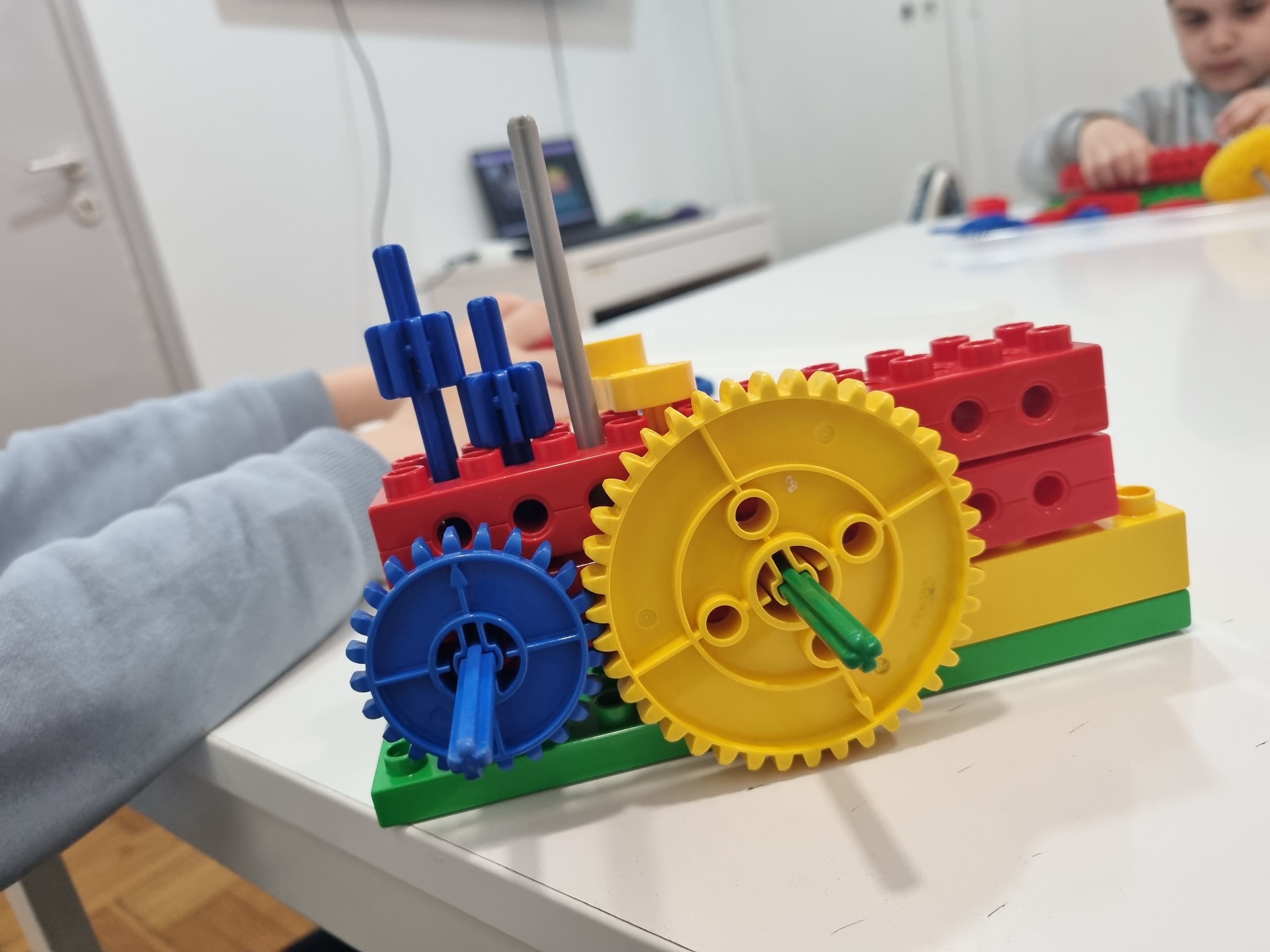
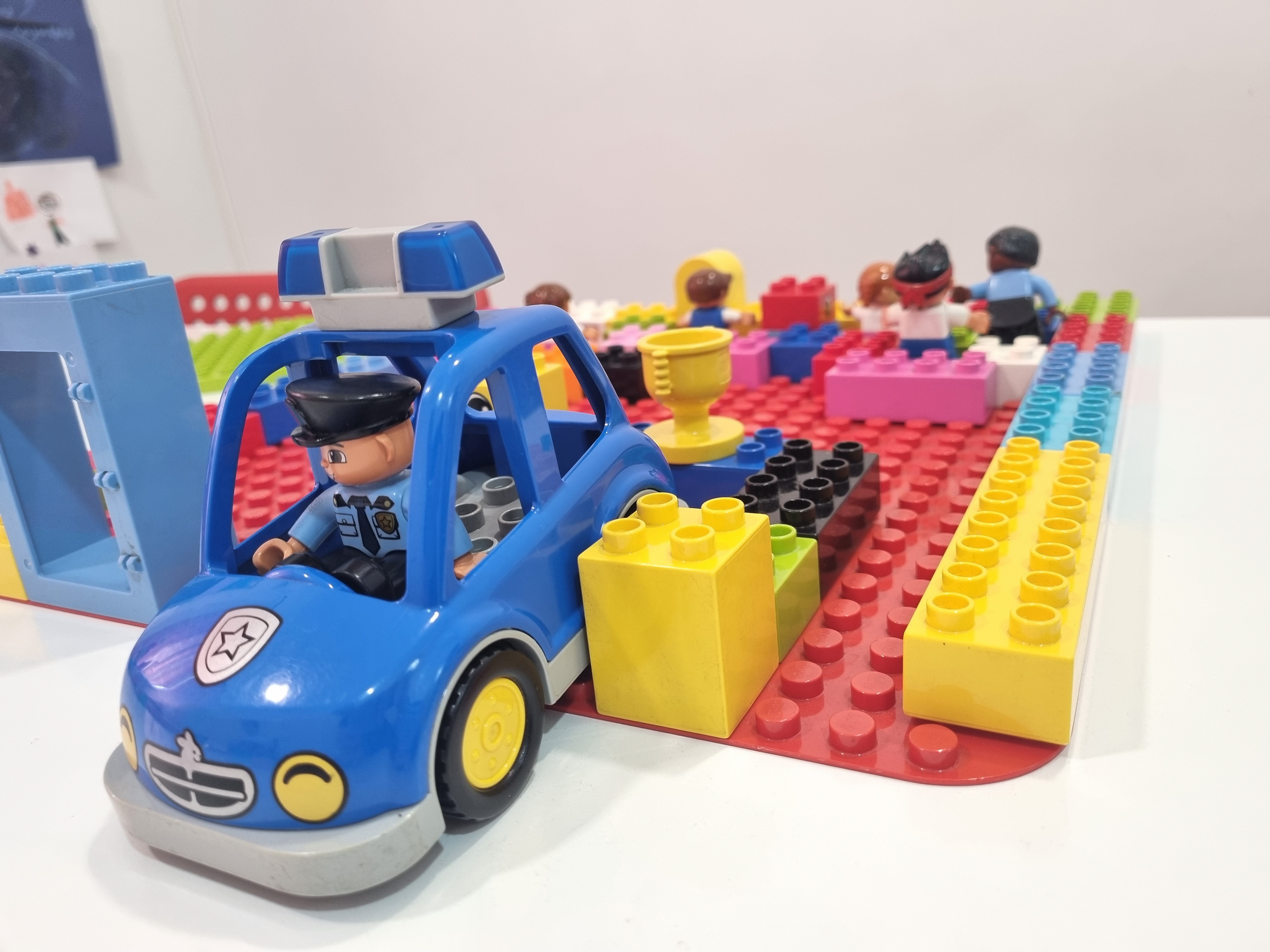
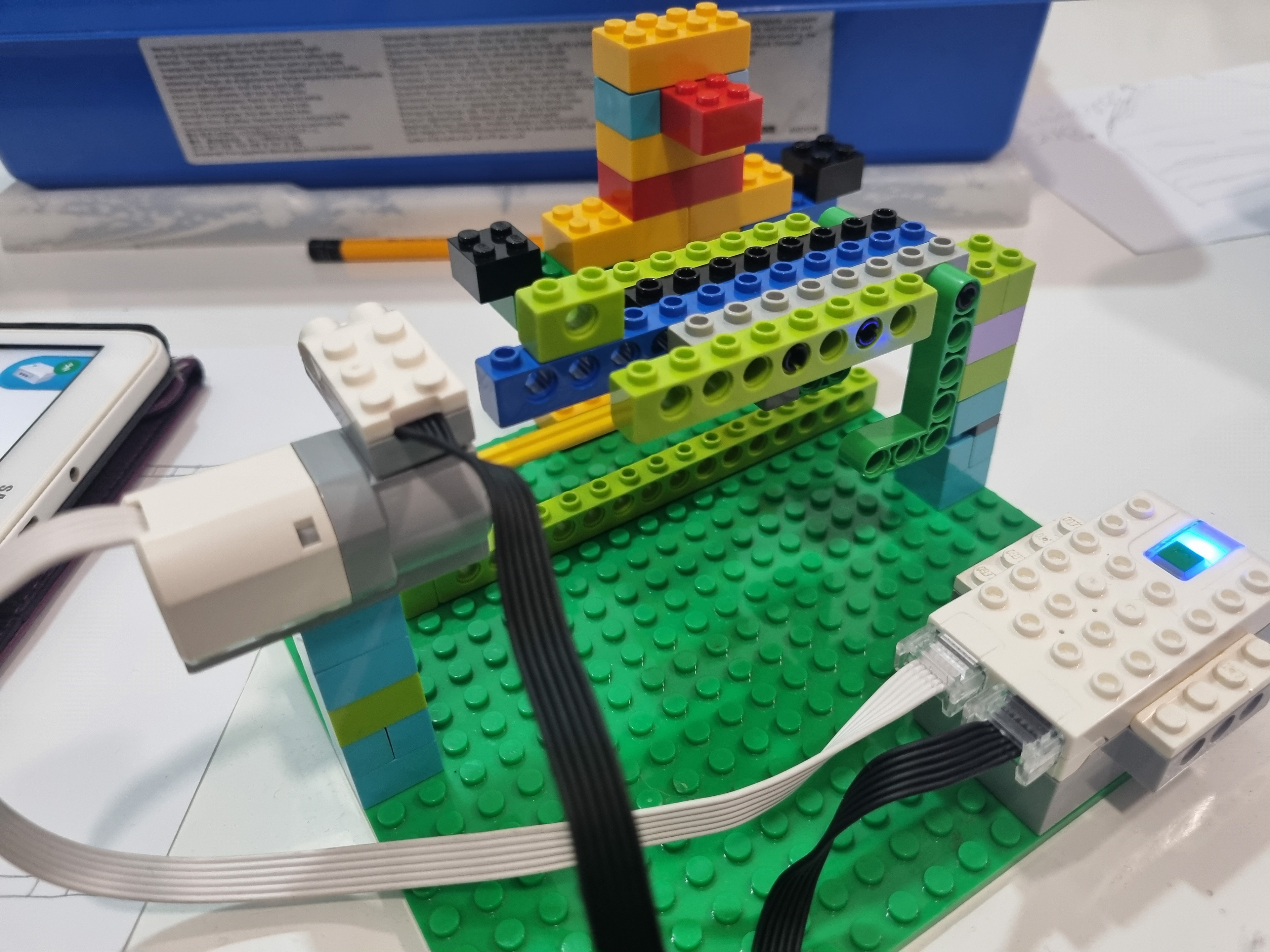
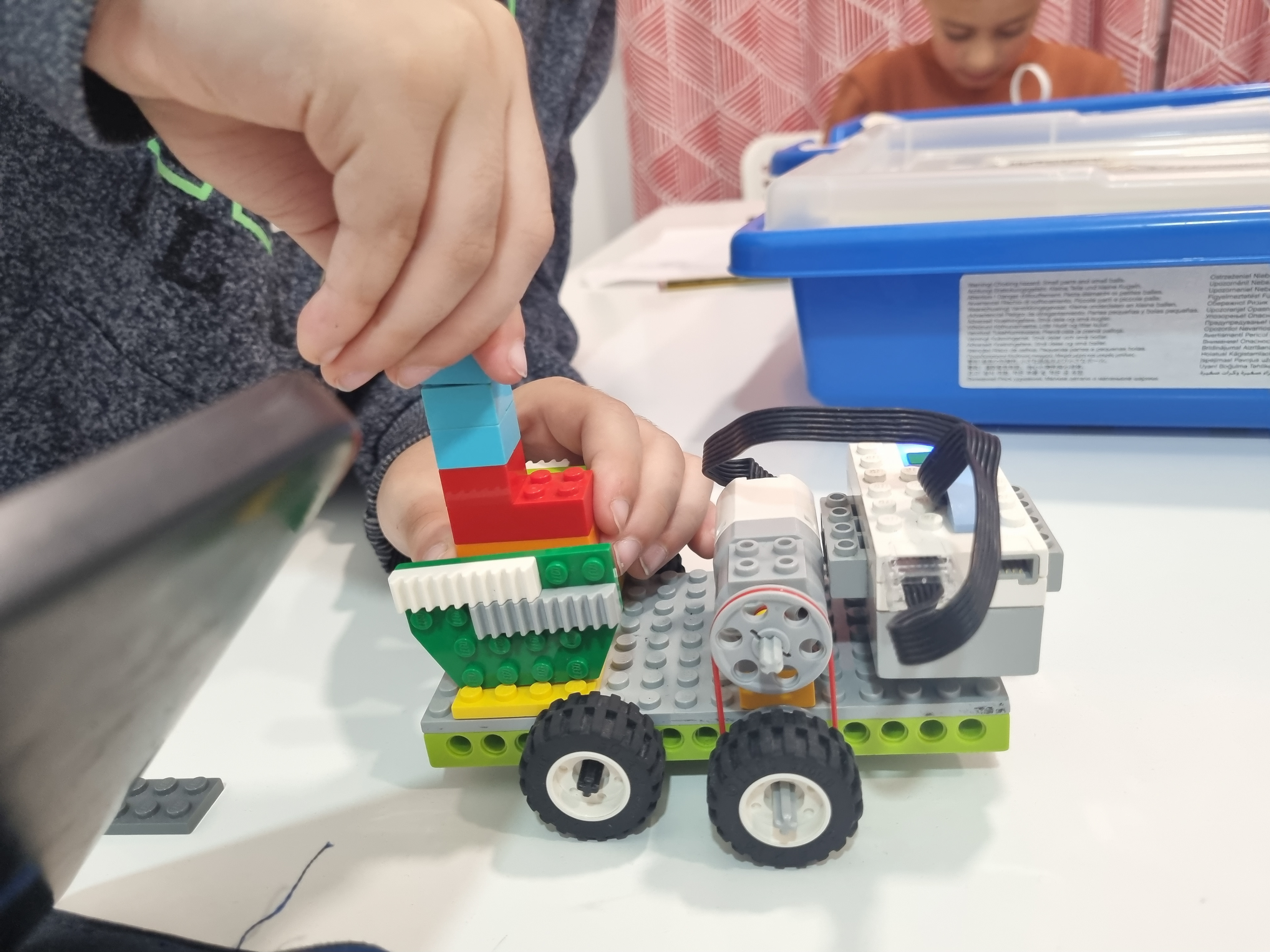
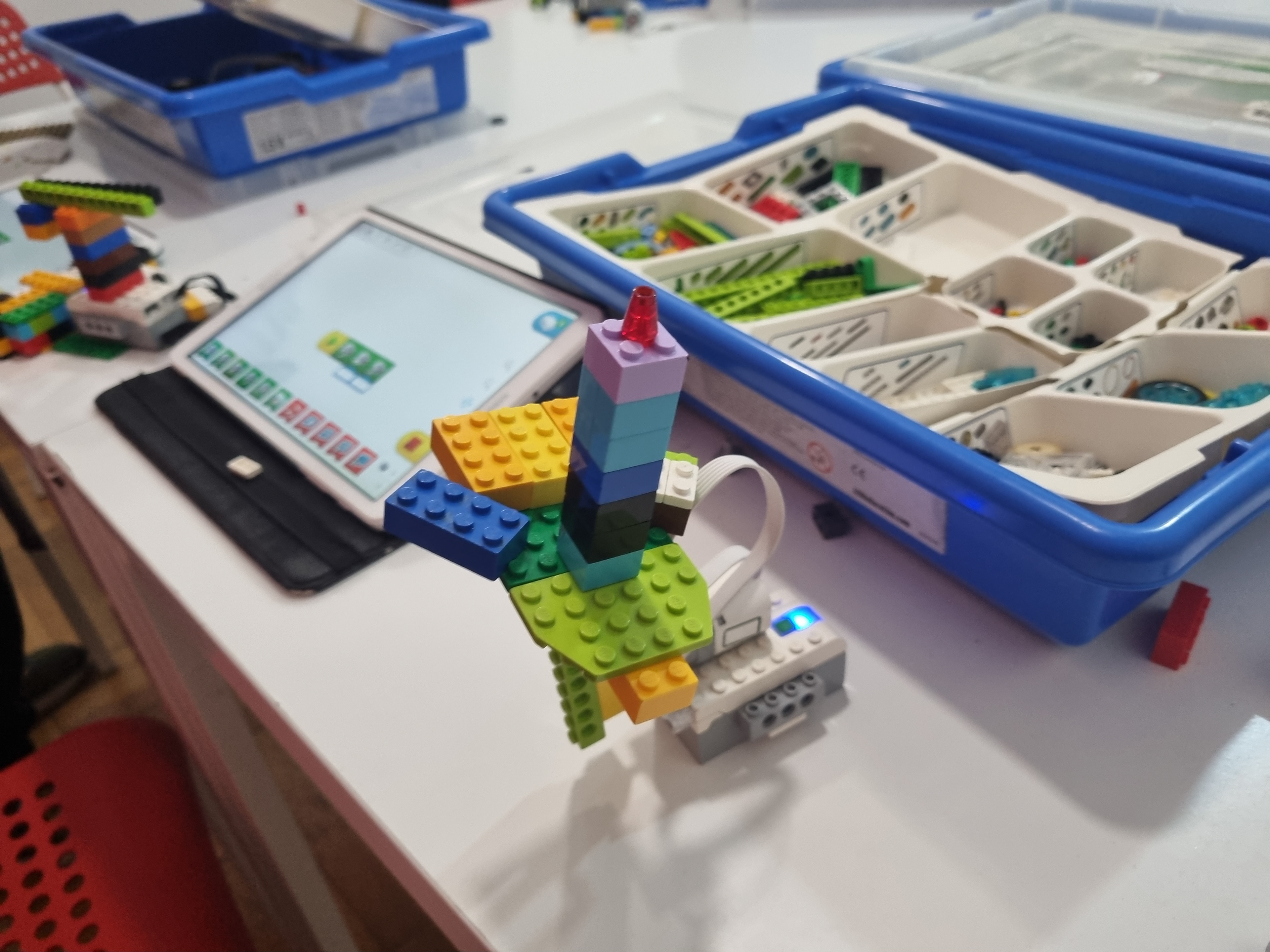
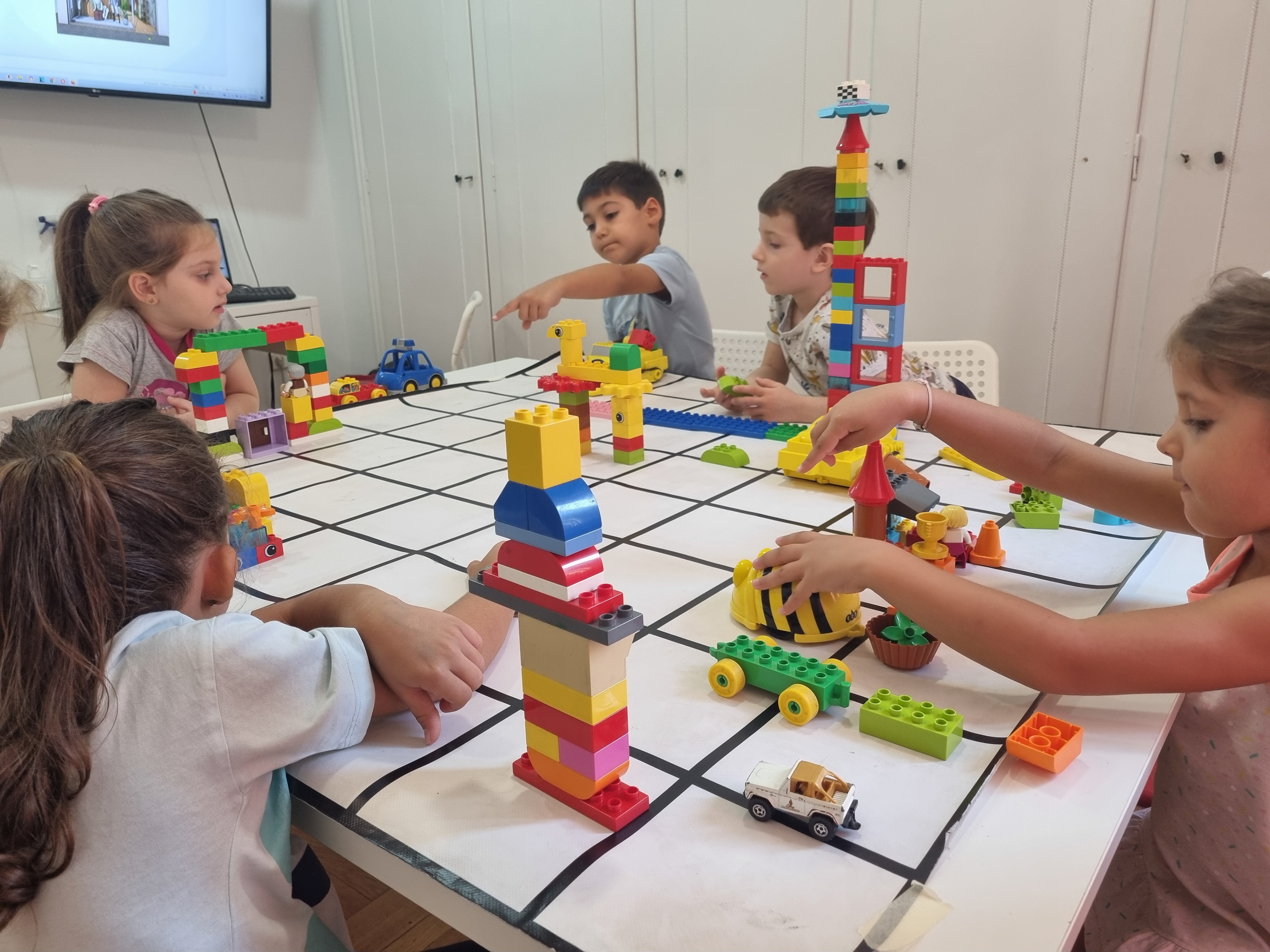
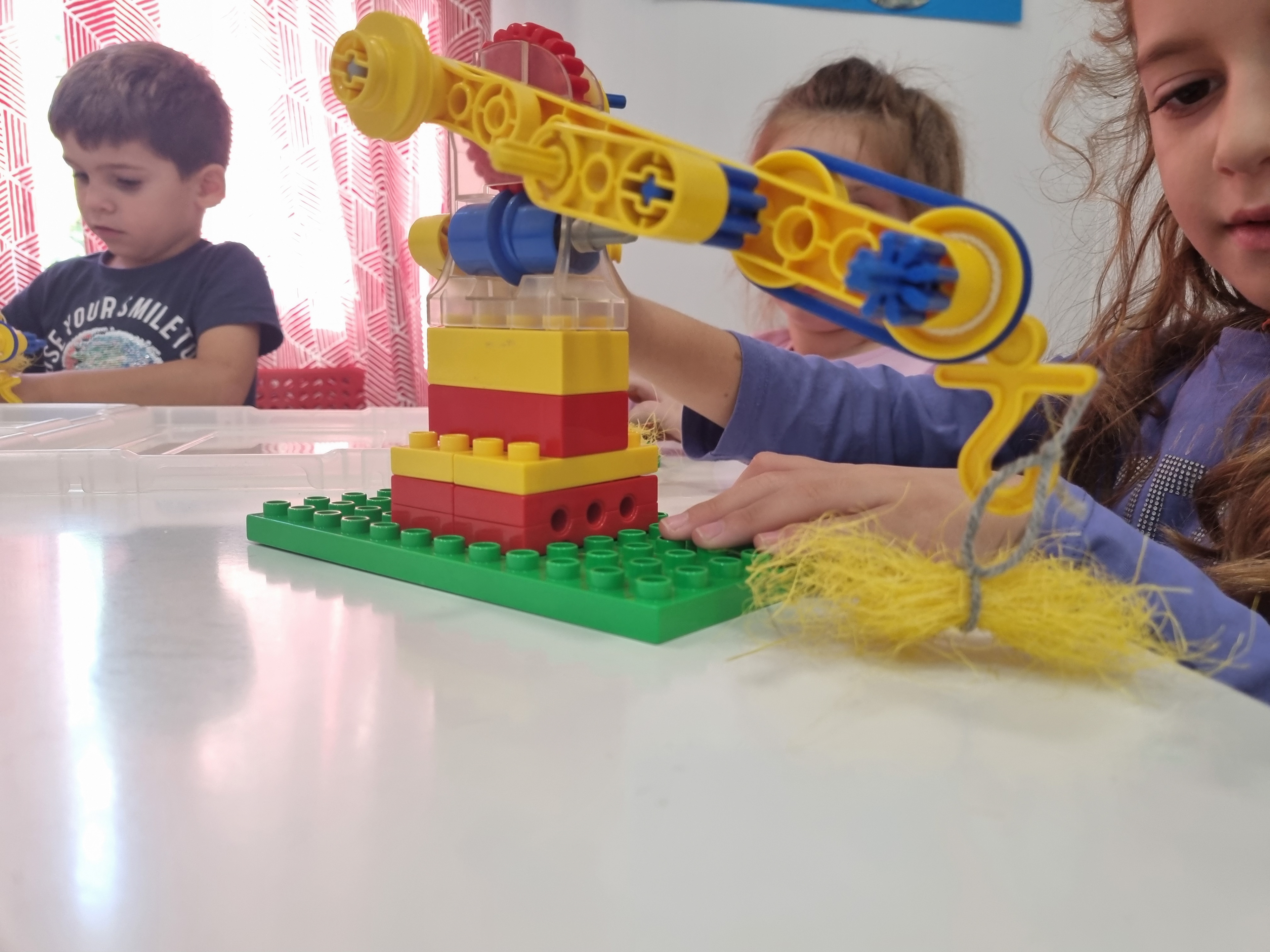
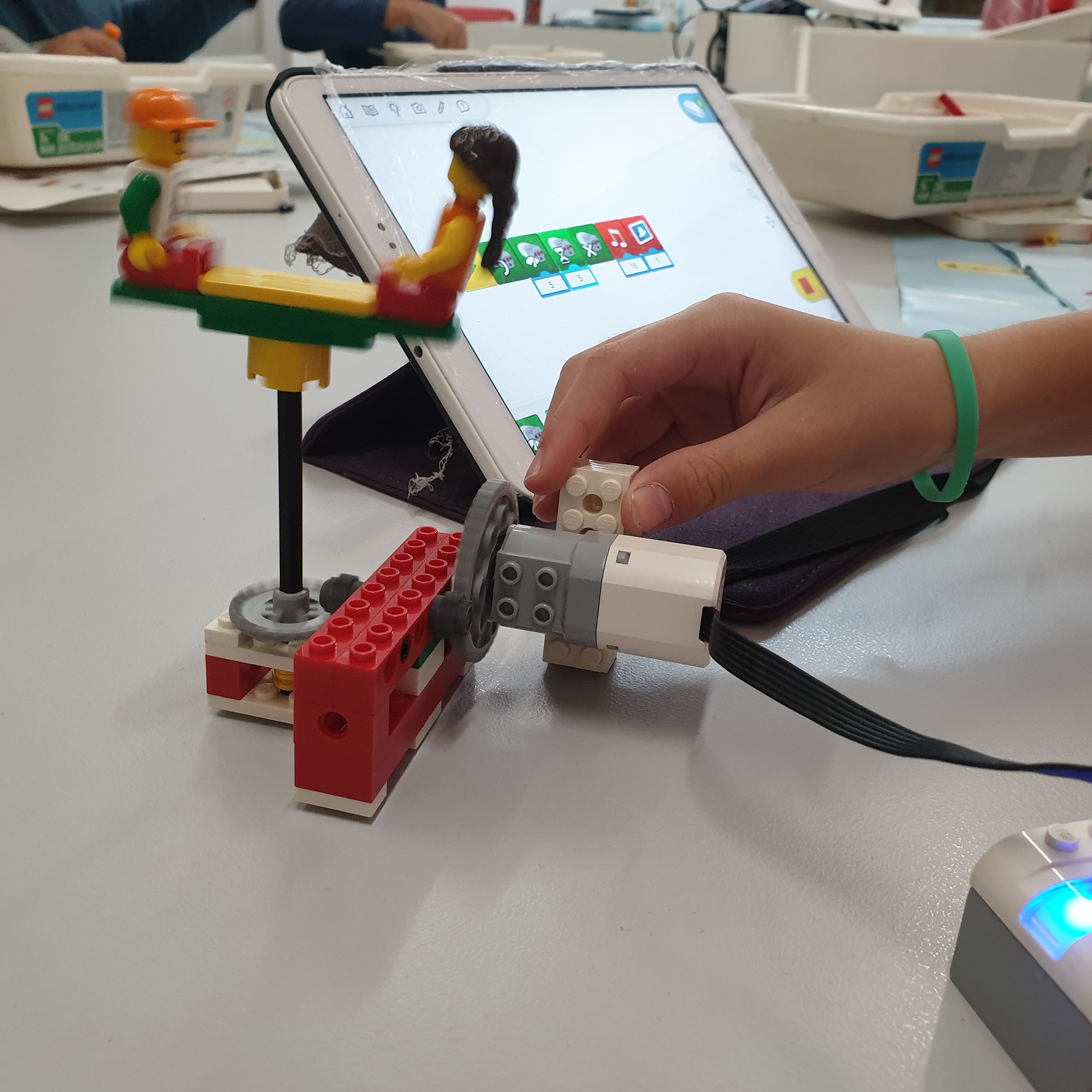
Over several years, children aged 4–9 participated in activities that combined physical construction, robotics systems, coding, and open-ended problem solving. Using LEGO bricks, motors, sensors, and programmable elements, participants designed playful mechanisms, robotic creations, and collaborative challenges.
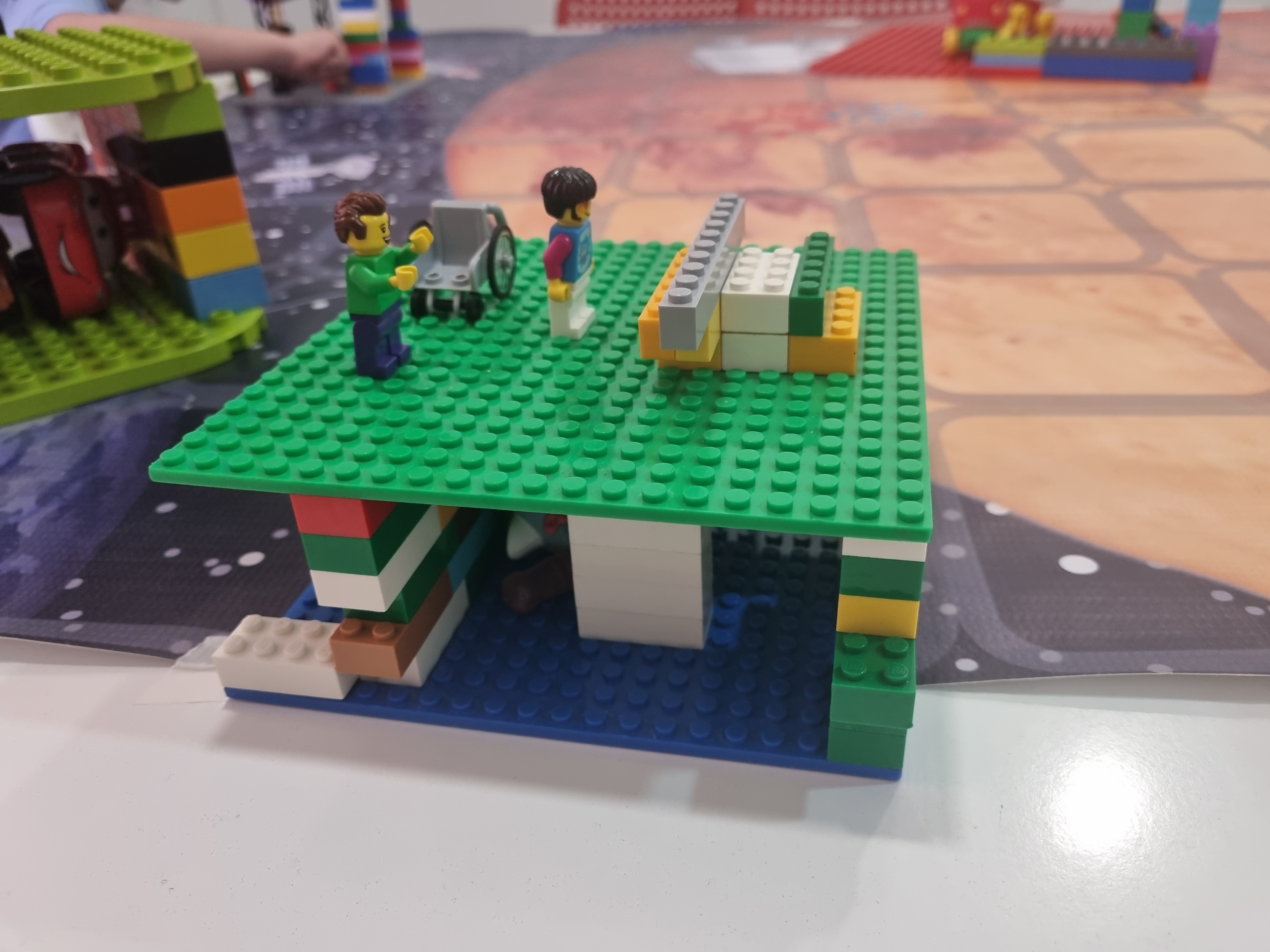
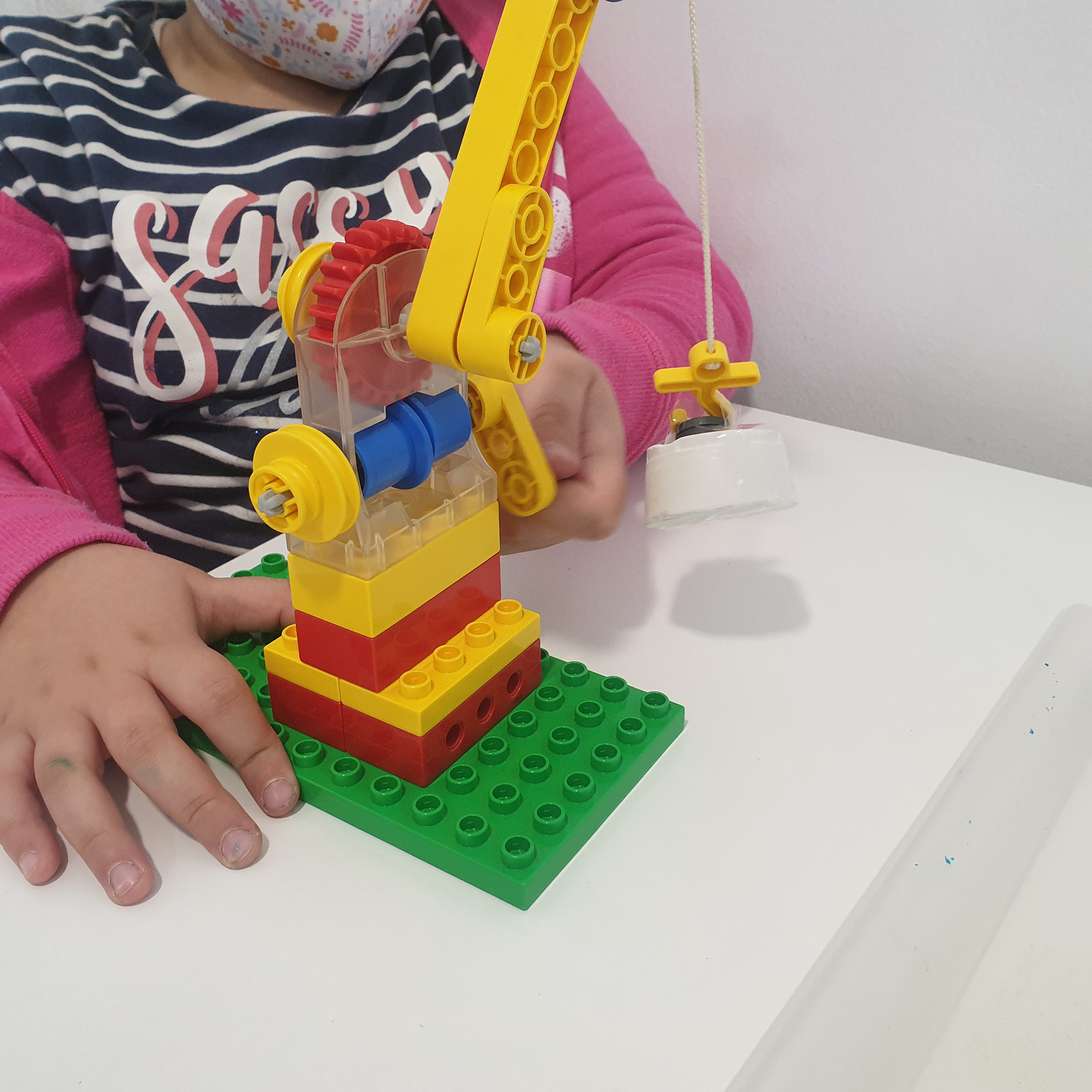
Rather than following fixed instructions, the activities encouraged children to experiment, modify their ideas, and discover multiple possible solutions. Play challenges often involved building and moving structures, designing robotic behaviours, or creating small interactive systems.
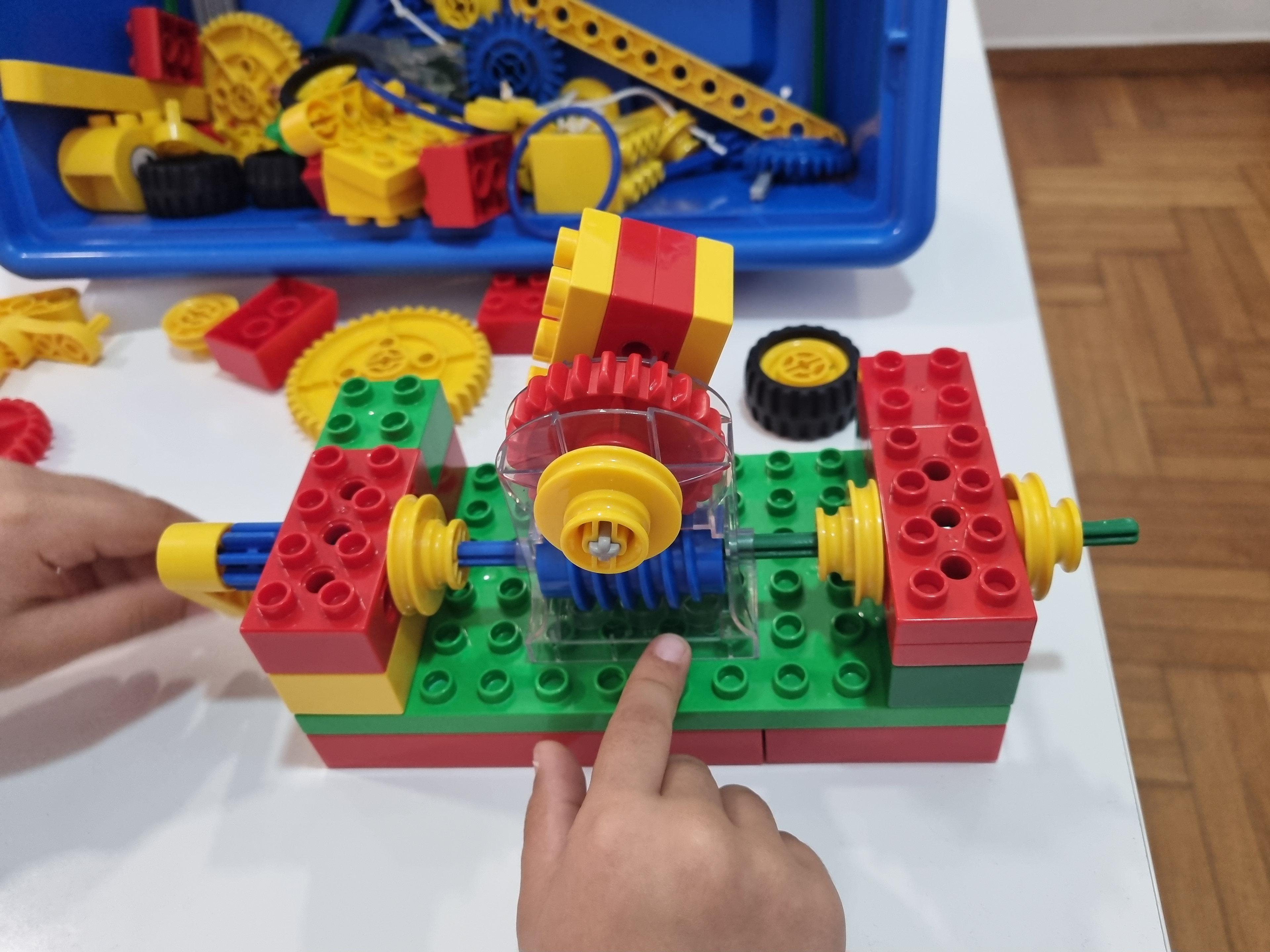
The program emphasised exploration and iteration. Children tested their creations, identified problems, and redesigned their models in order to improve movement, stability, or functionality.
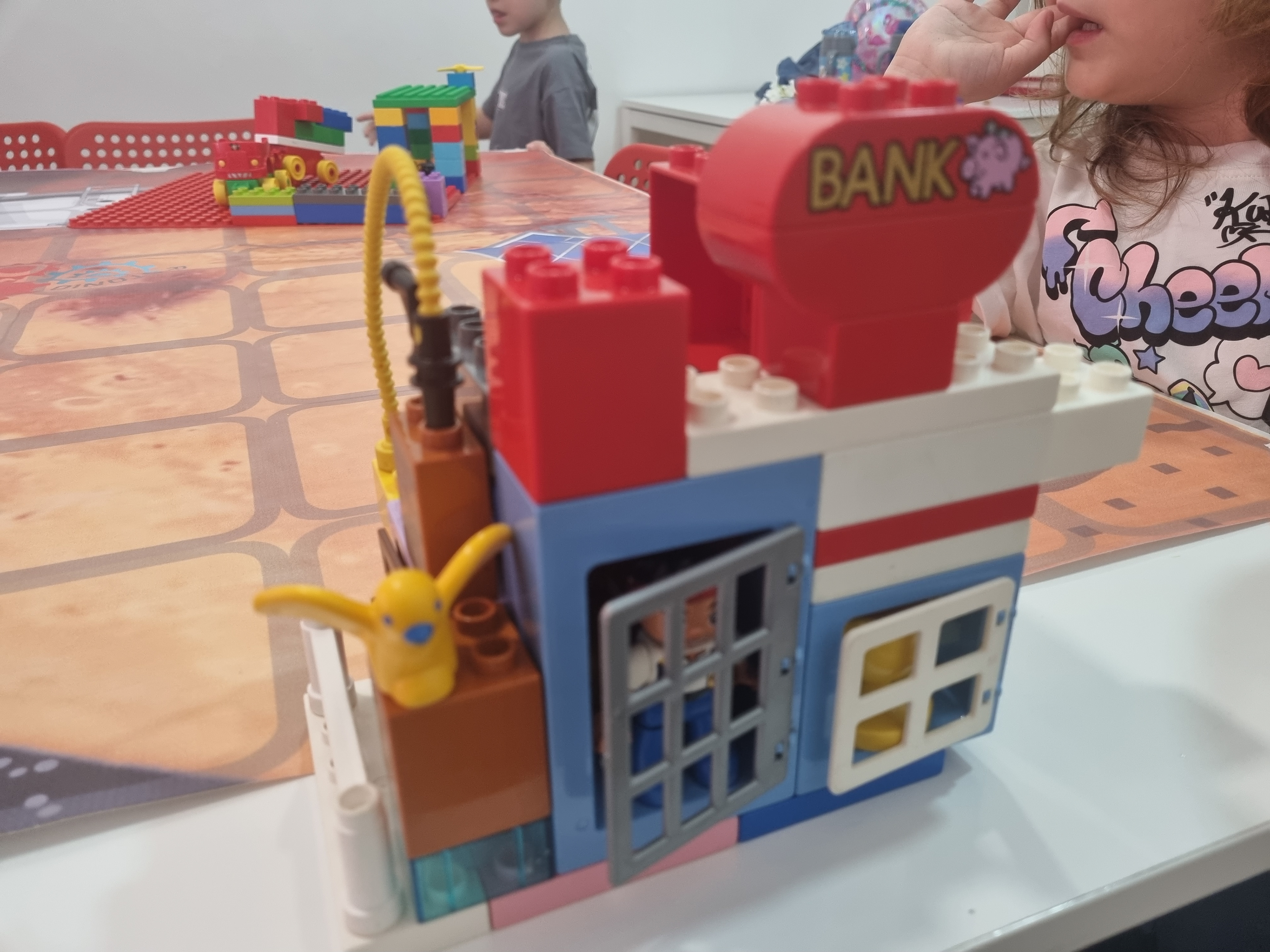
Many activities were collaborative, with small teams working together to design solutions and share ideas. Through building and programming, children developed an understanding of mechanical systems, cause-and-effect relationships, and creative problem solving.
The LEGO Play Experiences program focused on playful engineering — where imagination, construction, and experimentation become part of the same creative process.